How to brief an event videographer: a practical guide with free template
You have booked the venue, confirmed the speakers, and sold the tickets. Now you want the day captured properly on film. Afterall, if there wasn’t a video, it didn’t happen! Briefing your videographer is the single biggest factor in making your event film a success.
We have filmed conferences, award ceremonies, fundraising galas, and product launches across London and the South East, and the pattern is remarkably consistent: the clients who send a clear brief get videos that feel made for them, and the clients who say “just capture the day” get videos that are technically fine but don’t do anything for them and miss the best moments. This guide explains exactly what to put in an event videography brief, and you can download our free template to make it easy.
What is an event videography brief?
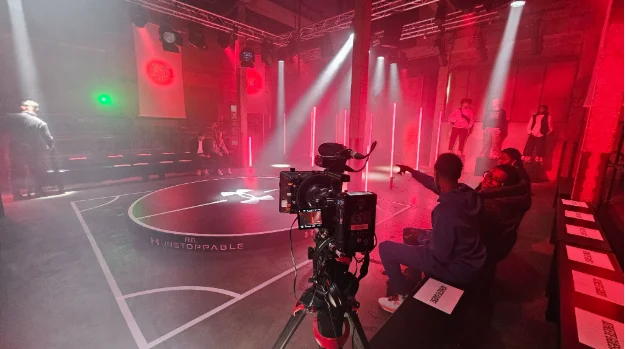
An event videography brief is a short document, usually one or two pages, that tells your videographer what the event is, why it matters, what must be captured, and what you need delivered afterwards. It covers the schedule, the key people, the venue details, and how the finished video will be used. A good brief takes around 30 minutes to write and shapes every decision the videographer makes on the day.
That last point is worth dwelling on. During a live event there are no retakes. When the award winner hugs their colleague, or the keynote speaker lands the line the whole room came for, the camera is either pointing at it or it is not. A brief is how you make sure it is.
Why the brief matters more at events than any other shoot
On a brand or business shoot, scenes can be planned, repeated, and refined until they are right. Event videography is different: everything happens once, in real time, often in tricky lighting, and the videographer is making dozens of judgement calls per hour about where to stand and what to prioritise.
Without a brief, those judgement calls are educated guesses. With a brief, they are informed decisions. If we know the sponsor’s branding must appear in the highlight film, we frame it into shots all day rather than hoping it turns up in the background. If we know the CEO’s closing remarks are the emotional centre of the event, we set up for them properly instead of treating them like any other agenda item. It’s your change to tell us all of this information.
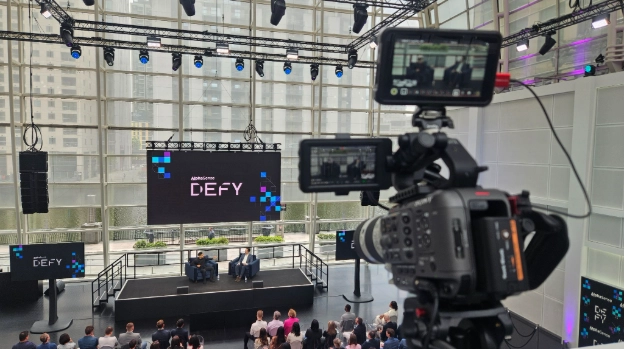
What to include in your event videography brief
These are the nine sections we ask every client to cover. They map directly onto the sections in the free template.
1. Event basics
Name of the event, date, venue address, start and finish times, and expected attendance. Include access details too: which entrance the crew should use, where to park or unload equipment, and who to ask for on arrival. Ten minutes lost finding the loading bay is ten minutes not spent setting up.
2. Purpose and audience for the video
This is the section people most often skip, and it is the most important one. What is the finished video for? Purpose is everything. A highlight reel to sell next year’s tickets is filmed differently from an internal record of proceedings, and both are filmed differently from short clips for LinkedIn. Tell your videographer who will watch the video and what you want them to think, feel, or do afterwards.
3. Run of show
Attach the running order with timings: arrivals, welcome, keynotes, breaks, panels, awards, networking, close. Mark which agenda items are essential to capture and which are optional. If timings are likely to slip, say so; an experienced videographer plans around a schedule that runs 20 minutes late better than one that pretends it will not.
4. Must capture list
List the specific moments, people, and details that absolutely must appear in the footage. This might be the ribbon cutting, a cheque presentation, a long serving colleague receiving recognition, the sponsor wall, or a product on display. In our experience five to ten items is the sweet spot: enough to guarantee the essentials, not so many that the videographer spends the day working through a checklist instead of reading the room.
5. Key people
Name and describe the people who matter: hosts, speakers, VIPs, sponsors, award recipients. Photos or LinkedIn profiles help enormously. If certain people should be interviewed on camera during the event, list them here along with a contact who can make introductions on the day. Getting natural, relaxed answers from people at a busy event is a craft in itself, and it starts with knowing who we are looking for. Is there a liaison on the day? Someone to gather the correct people who need to be interviewed. Sometimes this person can be the interviewer so we can focus on cameras and getting the shot correctly.
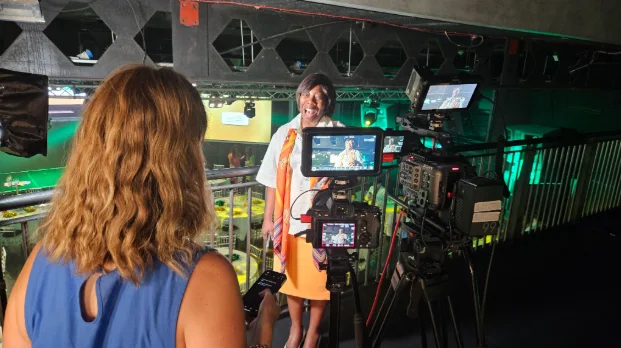
6. Venue and logistics
Note anything about the venue that affects filming: low lighting for an evening gala, restrictions on where cameras can go, whether the venue’s AV team can provide a sound feed from the mixing desk, and any rules the venue itself imposes on filming. A direct audio feed from the sound desk is the difference between crisp speech and echoey room audio, so it is always worth asking your venue about this in advance.
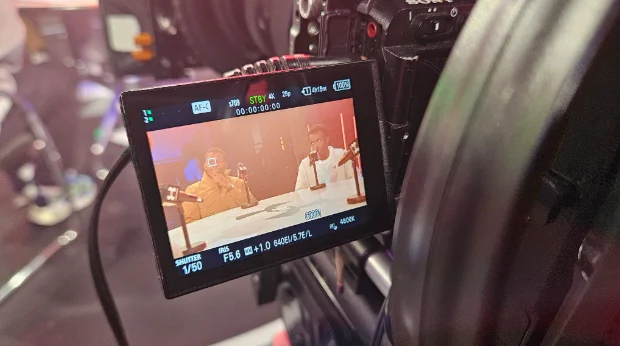
7. Deliverables
State what you want to receive afterwards and by when. Typical options include a highlight film of two to three minutes, full recordings of speeches or sessions, a set of short vertical clips for social media, and raw footage. Needing various shapes of video need us to film in a certain wait to accommodate all of your needs. Each deliverable has an editing cost attached, so being clear here also keeps your quote accurate. Our guide to how much a videographer costs explains how deliverables drive pricing in more detail.
8. Filming consent and sensitivities
Tell your videographer how attendees have been informed about filming, whether there are opt out arrangements, and whether anyone present must not be filmed. This matters at every event and especially at charity events, where beneficiaries or vulnerable attendees may be present. If children will attend, flag it. A professional videographer will work within these boundaries without being asked twice, but they can only do that if the brief sets them out. Sometimes we can come up with a plan to help us avoid filming people who don’t want to be filmed.
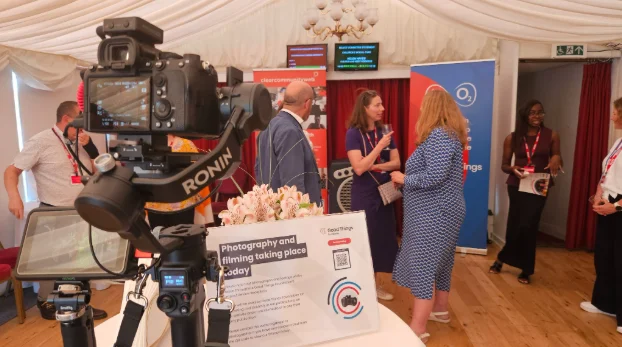
9. Budget and booking details
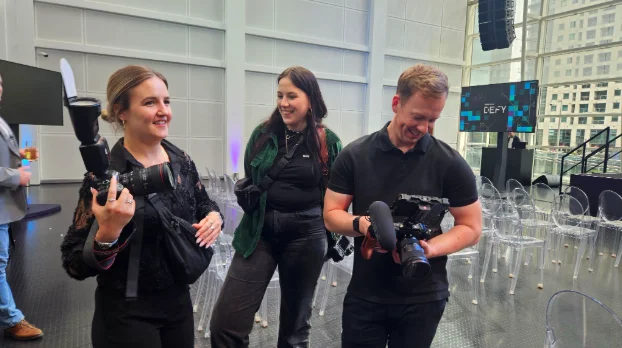
Confirm the agreed start time and end time. Also the main contact. We may add to the document to confirm any additional crew members to cover your event (photographer, additional videographer, producer, director) and their contact details. We mainly need to know who is the person on your team who is the decision maker on the day. Events move quickly, and when something changes at 2pm the videographer needs to know exactly who to check with.
What happens after you send the brief
A brief is the start of a conversation, not the end of one. When a brief lands with us, Ken reads it and comes back with questions, because after more than 7 years of filming events, including work for brands such as NHS and Unilever, he knows where the gaps usually are. Typical follow ups include:
- Which single moment, if we only captured one thing all day, would make the video worthwhile for you?
- Is there a story behind this event? An anniversary, a milestone, a first?
- Who is the best person to walk us through the room in the first half hour?
- Is there anyone at the venue we need to be introduced to e.g. AV technician
- Do you have any examples of event videos you really like? What do you like about them?
- What did you like, and dislike, about videos from your past events?
That last question is often the most revealing. Knowing that you found last year’s video too long, or too focused on speeches, tells us more than a page of instructions.
If you want a sense of how briefs turn into finished films, our portfolio includes event work for businesses, charities, and public organisations.
Download the free event videography brief template
We have turned the nine sections above into a fillable PDF you can complete and send to any videographer, whether that is us or someone else.
Download the Event Videography Brief Template (PDF)
It takes about 30 minutes to complete, and it will improve the video you get back regardless of who films your event.
How far in advance should you brief an event videographer?
Book your videographer as early as you can, since good ones are often reserved weeks or months ahead, and send the brief at least two weeks before the event. That gives time for the follow up conversation, a venue check if one is needed, and any adjustments to crew or kit. The run of show section can be updated closer to the day as your schedule firms up; the rest of the brief rarely changes.
Frequently asked questions
What if I do not know exactly what I want yet?
That is completely normal, and it is not a reason to delay getting in touch. Complete the sections you can, especially the purpose of the video, and a good videographer will help you shape the rest. Listening carefully and turning a rough idea into a filming plan is a core part of the job.
Do I need to provide a shot list?
Not a technical one. The must capture list in section 4 does the same job in plain English. Deciding on lenses, angles, and camera positions is what you are hiring a professional for.
How much does event videography cost?
It depends on coverage hours, crew size, and deliverables, which is exactly why the brief matters: a clear brief produces an accurate quote. For typical figures and what drives them up or down, read our videographer cost guide.
Can the same person film and photograph the event?
Doing both well at the same time is difficult, because the best video moments and the best photo moments often happen simultaneously. If you need both, a combined photography and videography package with planned coverage is usually the better route.
Ready to brief us on your event?
If you are planning an event in London or the South East and want it captured properly, download the template, fill in what you can, and send it over. We will come back with the right questions and an honest quote.